Relaxation is a physiological transition in which your body moves from sympathetic (fight-or-flight) activation to parasympathetic (rest-and-digest) dominance. The transition from sympathetic to parasympathetic dominance is not just a cessation of stress, but an active physiological process driven by specific neural pathways. This shift is primarily mediated by the vagus nerve, which acts as the main communication channel for the parasympathetic system.
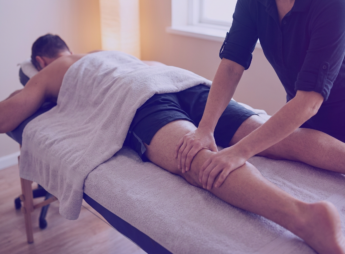
When a massage therapist applies pressure, it stimulates receptors under your skin. These receptors send signals to your brain that specifically inhibit the sympathetic nervous system and enhance vagal efferent activity, effectively flipping the switch from “fight-or-flight” to “rest-and-digest” – promoting feelings of calmness and safety.
Observable Biomarkers of Deep Relaxation
As a massage therapist, recognizing “relaxation” involves observing specific, measurable physiological changes that indicate a client has entered into a parasympathetic state.
Hormonal Changes: Deep relaxation triggers a measurable reduction in stress hormones, particularly cortisol, epinephrine, and norepinephrine. Simultaneously, the body often increases the production of mood-regulating neurotransmitters like serotonin and dopamine, as well as oxytocin, which promote feelings of bonding and safety.
Cardiovascular Shifts: There is a distinct decrease in heart rate and blood pressure. This occurs because the parasympathetic system causes vasodilation (widening of blood vessels), improving circulation and reducing the workload on the heart.
Respiratory Patterns: Breathing naturally becomes slower, deeper, and more rhythmic.
Muscle De-escalation: The release of chronic muscular guarding and tension, allowing tissues to return to a neutral baseline.
Massage offers natural methods to achieve mental clarity and physical recovery from everyday stresses.
Email 📧 atlasbodyreset@pm.me
Text📱(973) 307-0367
North Jersey Locations